

Table of Contents
- How to Choose Tacoma Accessories That Actually Fit
- Quick Comparison: Top Tacoma Accessories
- Truck Bed Cargo Management Systems That Earn Their Space
- Lighting, Appearance, and Interior Convenience Upgrades
- Tacoma Suspension Upgrade Guide: What Daily Drivers Should Know
- Best Off-Road Recovery Gear for Trucks: Bumpers, Winches, and More
- Installation Difficulty, Warranty Impact, and Weight Considerations
- Conclusion
- Frequently Asked Questions
Last Updated: September 25, 2026
How to Choose Tacoma Accessories That Actually Fit
The biggest mistake Tacoma owners make is buying before confirming fitment. Toyota has built three distinct generations since 2005, and a part that bolts onto a 2019 Double Cab may not touch a 2024. This guide covers the Tacoma accessories that earn their place on a daily driver and a trail rig alike.
Model Year, Generation, Trim, Bed Length, and Drivetrain
Several variables change what fits your truck:
- Generation: Second gen (2005-2015), third gen (2016-2023), and fourth gen (2024+) use different mounting geometry, lighting connectors, and bed dimensions.
- Bed length: Short bed (5 ft) and long bed (6 ft) take different tonneau covers, mats, and rack systems. A 6 ft cover will not seal on a 5 ft bed.
- Cab configuration: Access Cab and Double Cab have different rocker panel lengths, so step bars are not interchangeable.
- Trim and factory options: A truck with the OEM front camera needs a grille engineered to clear it. Trims without a tow package lack the same wiring provisions.
- Drivetrain and transmission: Suspension geometry and skid plate mounting differ between 2WD and 4WD, and between automatic and manual trucks in some years.
Check your door jamb sticker for the build date and model code before ordering anything. The NHTSA vehicle specification lookup lets you confirm year, make, and model details from your VIN.

Quick Comparison: Top Tacoma Accessories
Here is how the core categories stack up by install effort.
| Accessory | Typical Install Time | Difficulty | Primary Benefit |
|---|---|---|---|
| Center console organizer | Under 5 minutes | Easy | Interior organization |
| Tailgate inlay letters | 20-40 minutes | Easy | Appearance |
| Short antenna | 1-2 minutes | Easy | Appearance, clearance |
| Bed mat (TPE) | 10 minutes | Easy | Cargo protection |
| Roll-up tonneau cover | 30-60 minutes | Moderate | Bed security, weather protection |
| OE-style LED headlights | 1-2 hours | Moderate | Visibility, appearance |
| Nerf bar / step bar | 1-2 hours | Moderate | Access, door protection |
| HD winch bumper | 2-4 hours | Advanced | Recovery capability |
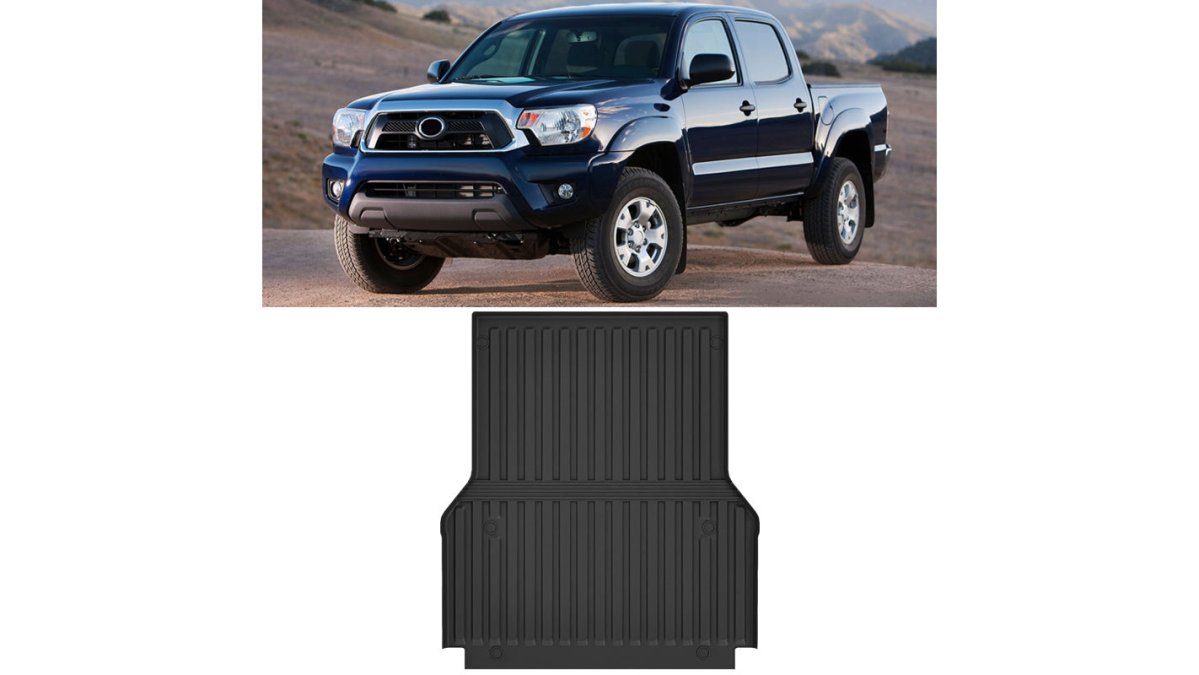
Truck Bed Cargo Management Systems That Earn Their Space
Truck bed cargo management systems keep gear from sliding, protect the bed surface, and secure what you haul.

Lighting, Appearance, and Interior Convenience Upgrades
Lighting and appearance upgrades deliver the fastest visible change for the least effort. For third-gen trucks, 2016-2023 Toyota Tacoma OE Style LED DRL Headlights bolt into factory buckets with integrated daytime running lights and sealed LED optics, connecting to OEM connectors with no coding.
Tacoma Suspension Upgrade Guide: What Daily Drivers Should Know
A Tacoma suspension upgrade guide for daily drivers should start with honesty: most owners do not need a lift. What they need is a system that handles added weight without sagging, keeps ride quality livable on pavement, and fits their specific truck.
Year-Specific Compatibility: The Matrix Competitors Skip
Suspension parts are not universal across Tacoma generations. Locate your truck before buying:
| Generation | Model Years | Front Suspension | Rear Suspension | Key Fitment Note |
|---|---|---|---|---|
| 2nd Gen | 2005-2015 | Coilover over strut | Leaf spring | Different upper mount geometry than 3rd gen |
| 3rd Gen | 2016-2023 | Coilover over strut | Leaf spring | Revised spring rates and mount points vs. 2nd gen |
| 4th Gen | 2024+ | Coilover over strut | Coil spring (varies by trim) | New platform; 3rd-gen kits generally do not carry over |
Two more variables compound the matrix:
- Drivetrain. 2WD and 4WD trucks have different front suspension geometry and skid plate mounting. A kit listed for one may not clear the other.
- Trim and factory options. Trucks with factory off-road packages or electronic damping use different strut and shock part numbers than base trims. Order by trim, not just year.
Answer Three Questions Before You Buy
- What weight are you adding? A steel bumper, winch, and full bed of gear change how the springs behave. Springs are rated for a load range, exceed it and you get sag, poor ride, and premature wear.
- Where do you actually drive? A truck that sees 90% highway and 10% gravel has different needs than a dedicated trail rig. Aggressive lifts trade on-road ride quality for off-road clearance you may never use.
- What is your maintenance tolerance? Lifted geometry changes wear on ball joints, tie rods, and CV axles. A modest leveling setup wears more slowly than an aggressive lift.
Warranty-Safe vs. High-Risk Modifications
Adding an aftermarket part does not automatically void your whole warranty. What matters is whether a modification can be shown to cause a specific failure.
- Generally warranty-safe: bolt-on accessories that reuse factory mounting points and do not alter geometry, interior organizers, bed mats, tonneau covers, inlay letters, short antennas.
- Moderate risk: lighting and electrical add-ons that tap factory circuits. A bad splice can trigger fault codes a dealer may attribute to your install.
- High-risk: suspension changes that alter ride height, spring rate, or geometry. A lift that wears out a CV axle is a different conversation than a cosmetic inlay.
Weight and Fuel Economy: The Hidden Cost
Weight is the factor buyers underestimate most. Steel bumpers, heavy racks, oversized tires, and a full recovery kit add mass that shows up at the pump and in braking distance. A winch bumper is worth its weight for a trail rig; for a commuter truck, it may not be.

DIY vs. Professional
Suspension work sits at the advanced end of the difficulty scale: compressing springs, torquing critical fasteners, and realigning afterward. Most owners hand this to a shop. If you DIY, budget for an alignment immediately after and document the install.
Best Off-Road Recovery Gear for Trucks: Bumpers, Winches, and More
The best off-road recovery gear for trucks starts with a solid mounting point. Recovery hardware is only as good as what holds it to the frame, and on a Tacoma the frame, bumper mounts, and front spring rates differ across generations.
Start With the Mounting Point
The 2016-2022 Toyota Tacoma HD Front Winch Bumper is a steel, winch-ready unit with an integrated winch plate and black powder-coat finish, mounting at OEM attachment locations with no drilling or welding. Two things to plan for:
- Generation fitment. This bumper is built for third-gen trucks (2016-2022). The 2024+ fourth gen uses different front frame horn spacing and bumper bracket geometry, so a third-gen bumper is not a bolt-on for those trucks. Confirm your build date on the door jamb sticker first.
- Weight. A steel winch bumper with a winch and synthetic line adds a substantial load to the front axle, compressing the front coilovers, changing rake, and pushing you past the stock spring's happy zone. If you add a bumper, plan the front spring rate at the same time.
Sizing a Winch Correctly
A common rule of thumb is to size the winch at roughly 1.5 times your truck's fully loaded curb weight. A Tacoma with a bumper, gear, and passengers can push well past its published curb weight, so a winch that looks adequate on paper can be marginal in mud or on a steep grade. The winch is sold separately.
The Rest of a Complete Recovery Kit
A bumper and winch alone will not get you unstuck. Round out the kit with:
- Recovery straps and a tree saver, rated straps, not tow straps; the two are not interchangeable and using the wrong one is how people get hurt.
- Shackles and a winch dampener, the dampener goes over the line, not the hook, to absorb energy if something fails.
- Traction boards, for soft ground where a winch has nothing to pull against.
- A quality tire pressure gauge and deflator, airing down is the cheapest traction upgrade you own.
- Gloves and a recovery point for the rear, a front-only recovery setup leaves you stuck when the only anchor is behind you.
Pair Recovery Gear With Protection
The 2005-2021 Toyota Tacoma Double Cab 4.5" Round Drop Step Nerf Bars adds integrated grab handles for easier entry and shields both doors from curb rash, mounting to factory anchor points on Double Cab models. Note the cab caveat: Access Cab trucks have a different rocker panel length, so a Double Cab bar will not line up.
DIY vs. Professional
Bumper and winch installs sit at the advanced end of the difficulty scale. They are bolt-on, no welding required, but involve heavy components, torque specs, and sometimes trimming or relocating factory parts. If you are not comfortable working under a loaded front end, hand it to a shop.
Installation Difficulty, Warranty Impact, and Weight Considerations
Installation difficulty, warranty impact, and added weight are the three factors most buyers skip, and the ones that cause the most regret.
Conclusion
Every Tacoma build is a set of trade-offs between cost, weight, and capability, and the right answer depends on how you use the truck. Fitment comes first, weight and warranty second, appearance last.
Driven by Experience. Built for Adventure.
Frequently Asked Questions
How do I ensure accessories fit my specific Tacoma generation?
Check three things before buying any Tacoma accessories: model year, cab configuration, and bed length. A grille for a 2024+ Tacoma will not fit a 2019, and a tonneau cover for a 6-foot bed will not seal on a 5-foot bed. Transmission, drivetrain, and factory options like the front-facing camera can also affect compatibility. Buy from sellers that list exact year ranges and confirm fitment before ordering.
What are the most essential interior upgrades for a Tacoma?
Start with a center console organizer divider, which keeps phones, keys, and small tools from sliding around under hard braking or rough terrain. All-weather floor mats and a bed mat are close behind for protecting factory surfaces. These are low-cost, drop-in upgrades that use factory mounting points and require no modification, making them smart first purchases for new owners.
Are aftermarket suspension upgrades worth it for daily driving?
The trade-offs for suspension upgrades are cost, potential warranty questions, and added weight affecting fuel economy. If you rarely leave pavement, spend your budget on protection and cargo management first. If you tow, haul, or hit trails regularly, suspension work pays off in control and capability.
How does bed length affect accessory compatibility?
Bed length determines which tonneau covers, bed mats, and rack systems fit your Tacoma. A 5-foot short bed and a 6-foot bed use different part numbers even within the same model year. Always match the cover or mat to your exact bed length, and test-fit tall cargo management gear before assuming it clears a rolled-up cover.